A Buyer’s Guide to Choosing the Perfect Pearl Necklace in England
Shopping for a pearl necklace in England can feel both exciting and confusing. Between types of pearls, necklace lengths, and questions about authenticity, there is a lot to consider. This guide will help you understand the essentials so you can choose a piece that truly suits your style, budget, and lifestyle.
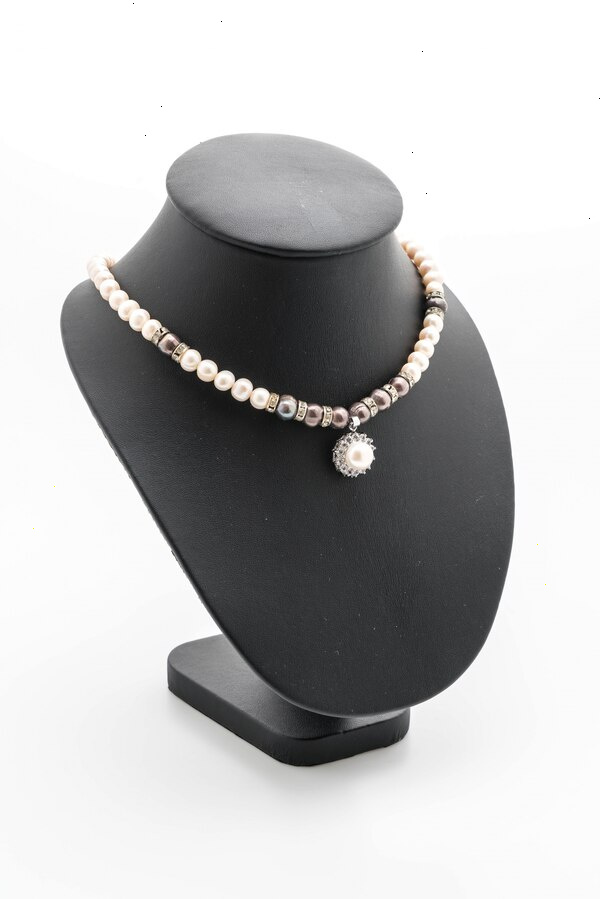
1. Understand the Main Types of Pearls
Akoya Pearls
- Origin: Primarily Japan, China
- Look: Classic, round, highly lustrous, usually white or cream with pink, silver, or ivory overtones
- Why choose them: Ideal for a traditional, refined pearl necklace; perfect for formal wear and office attire.
- Price range: Mid to high, depending on size and quality.
Freshwater Pearls
- Origin: Mostly China
- Look: Wide variety of shapes (round, oval, baroque), colours (white, pink, lavender, peach), and sizes
- Why choose them: Affordable, versatile, and great for everyday wear or layered looks.
- Price range: Generally the most budget-friendly, with some high-quality strands still being excellent value.
South Sea Pearls
- Origin: Australia, Indonesia, the Philippines
- Look: Large, luxurious, often 10–16 mm, in white, silver, or golden tones; softer, satiny lustre
- Why choose them: Statement and investment pieces; perfect for those who want a bold, sophisticated look.
- Price range: High to very high.
Tahitian Pearls
- Origin: French Polynesia
- Look: Naturally dark pearls in shades of charcoal, green, aubergine, peacock, and more
- Why choose them: Striking and modern; ideal if you want something unusual and dramatic.
- Price range: Mid-high to high.
2. Choose the Right Pearl Size
Pearl size strongly affects both appearance and price. Diameter is given in millimetres (mm).
- 6–7 mm: Delicate, youthful, and subtle; great for petite frames or layering.
- 7–8 mm: Classic everyday size for most women; suits both casual and business wear.
- 8–9 mm: Noticeable and elegant; a favourite for “forever” necklaces.
- 9–10+ mm: Bold and luxurious; better for special occasions or statement jewellery.
Consider your frame and style:
- Smaller frames often suit 6–8 mm.
- Medium to larger frames or those wanting more presence often prefer 8–9 mm and above.
3. Pick the Best Necklace Length for You
Standard pearl necklace lengths (approximate in inches and centimetres):
- Choker (14–16") / 35–40 cm
Sits high on the neck. Chic and modern, best with open necklines.
- Princess (17–19") / 43–48 cm
The most popular length; sits around the collarbone; works with almost all necklines.
- Matinee (20–24") / 50–60 cm
Slightly longer; ideal with business attire or higher necklines.
- Opera (28–36") / 70–90 cm
Can be worn long or doubled; dramatic and flexible for day-to-night wear.
- Rope (over 36") / 90+ cm
Multiple wraps, knots, and styling options; often chosen for high fashion looks.
For most buyers in England choosing a first “classic” necklace, a 7–8 mm Akoya or high-quality freshwater strand in princess length (17–18") is a timeless option.
4. Know the Quality Factors: The “Six S’s”
Pearl grading is not fully standardised, but these factors are key:
1. Size
Larger pearls cost more, all else being equal. Decide your preferred size first, then compare quality within that size.
2. Shape
- Round: Most valuable and classic.
- Near-round, oval, drop: Slightly less expensive; can be very elegant.
- Baroque: Irregular; more artistic, modern, and often more affordable.
3. Surface
Look for:
- Fewer blemishes, spots, or pits
- Smooth, clean surface, especially on the most visible part of the pearl
Some imperfections are normal; completely flawless pearls are rare and expensive.
4. Shine (Lustre)
Arguably the most important quality factor. High-lustre pearls have:
- Sharp, bright reflections
- Depth and glow, not a flat or chalky look
Choose the best lustre you can afford; it has the most impact on how luxurious the necklace appears.
5. Shade (Colour and Overtone)
- Body colour: White, cream, pink, lavender, black (Tahitian), etc.
- Overtone: Subtle colour over the main body (rose, silver, ivory, green).
Cool skin tones often suit white with silver or rose overtones; warmer skin tones suit cream, golden, or peach. But personal preference matters most.
6. Stringing
Check:
- Knotted between each pearl (prevents rubbing and loss if the strand breaks).
- Durable silk or high-quality synthetic thread.
- Secure clasp (lobster, fishhook, or box clasps in silver or gold).
5. Matching Your Necklace to Your Style and Lifestyle
For Everyday Wear
- Freshwater or smaller Akoya pearls (6–8 mm) in princess length.
- Consider slightly baroque or off-round pearls for a more relaxed, contemporary look.
- Moderately priced pieces you won’t be afraid to wear frequently.
For Work and Business Settings
- Classic white Akoya or high-grade freshwater, 7–8 mm, princess or matinee length.
- Simple, subtle designs that sit neatly with blouses or tailored dresses.
For Evenings and Special Occasions
- Larger Akoya, South Sea, or Tahitian pearls.
- Opera or rope lengths for drama, or multi-strand designs.
- Dark Tahitian pearls for a modern, striking look.
For a Modern, Fashion-Forward Look
- Mixed shapes (baroque, keshi) and mixed metals.
- Layered strands of different lengths.
- Coloured freshwater pearls or combinations of white and dark pearls.
6. Where to Buy a Pearl Necklace in England
You have several options, each with pros and cons.
Established Jewellers and High-Street Chains
- Found in major cities and larger towns (e.g., London, Manchester, Birmingham).
- Pros: Easy to see and try on; often good after-care; more likely to offer guarantees.
- Cons: Prices may be higher; selection may be limited in more affordable ranges.
Specialist Pearl Boutiques
- Smaller, often independent jewellers that focus on pearls or fine jewellery.
- Pros: Deeper product knowledge; better quality and variety of pearl types and grades.
- Cons: Usually located in larger cities and more expensive areas; prices can be higher but often fair for the quality.
Online Retailers (UK-based and international)
- Many UK jewellers and pearl specialists have well-developed online shops.
- Pros: Wide choice, competitive pricing, detailed information; you can compare easily.
- Cons: You can’t see lustre and colour in person; you must rely on photos, descriptions, and reviews.
When buying online in England, check:
- Detailed photos (including close-ups).
- Clear information on pearl type, size, grade, and origin.
- Returns policy (at least 14-day returns is a good sign).
- UK-based customer service and straightforward warranty.
7. Ensuring Authenticity and Fair Value
How to Avoid Imitation Pearls
Imitation pearls (glass or plastic beads with coating) are not the same as cultured pearls.
Genuine cultured pearls usually show:
- Slight variations in size and shape.
- A slightly gritty feel when gently rubbed against your tooth (imitations feel smooth and glassy).
- Depth of lustre, not just surface shine.
Look for:
- Clear labelling: “cultured pearls” or specific types like “Akoya,” “Tahitian,” “South Sea,” “freshwater.”
- Jewellers who belong to recognised trade associations within the UK or EU.
Understanding Value
- Very low-priced “pearls” in high-street fashion shops are almost always imitation.
- High-quality freshwater pearls can still be reasonably priced, making them excellent value for first-time buyers.
- With Akoya, South Sea, and Tahitian pearls, if the price seems too good to be true, it probably is.
If you’re investing in an expensive piece, consider:
- Buying from a reputable jeweller with a long-standing presence.
- Asking for written details of pearl type, size, and metal quality on the receipt or certificate.
8. Metal and Clasp Choices
The clasp and metal add durability and style:
- Sterling Silver (925): Affordable, classic, pairs well with white and pastel pearls.
- 9ct or 18ct Gold (Yellow, White, Rose): Traditional choice; durable and valuable.
- Platinum: Usually only for very high-end strands.
- Clasp designs:
- Lobster or spring ring: Simple and secure.
- Fishhook or box clasp: Elegant and often used on finer strands, some with small diamonds.
Choose a metal that matches your other jewellery and your skin tone, and ensure the clasp is easy enough for you to fasten on your own.
9. Caring for Your Pearl Necklace in England’s Climate
Pearls are organic and softer than most gemstones, so they need gentle care.
- Avoid: Perfume, hairspray, cosmetics, and household chemicals; apply these before putting on your pearls.
- Last on, first off: Put your pearls on after getting ready, and take them off before undressing.
- Wipe after wear: Use a soft, slightly damp cloth to remove oils and perspiration.
- Storage:
- Keep them flat, in a soft pouch or lined box.
- Do not store in airtight plastic for long periods—pearls like a bit of moisture in the air.
- Keep away from other jewellery to avoid scratches.
Because England can be humid, particularly in older houses:
- Avoid leaving pearls in bathrooms or near radiators.
- Have your necklace re-strung every 1–2 years if worn often (more frequently if the thread starts to look frayed or stretched).
10. Setting a Realistic Budget
Your budget will guide the type, size, and quality you can choose.
Approximate expectations (these are broad guidelines, not fixed prices):
- Entry-level (budget-conscious):
- Simple freshwater strand, 6–7 mm, shorter length: excellent value.
- Suitable for teenagers, gifts, or casual wear.
- Mid-range (most popular):
- High-quality freshwater or smaller Akoya pearls, 7–8 mm, princess length.
- Ideal “first good necklace” or gift for a milestone birthday or graduation.
- Premium and investment level:
- Larger Akoya, South Sea, or Tahitian strands with outstanding lustre and clean surfaces.
- Perfect for collectors or as heirloom jewellery.
Decide what matters most: size, type, or top-tier quality. Often, opting for slightly smaller but higher-lustre pearls gives the most luxurious look for the money.
11. Simple Step-by-Step Buying Checklist
- Purpose: Everyday use, work, or special occasions?
- Pearl type: Freshwater (value and variety), Akoya (classic), Tahitian or South Sea (luxury and drama).
- Size: Choose a size range that suits your frame and style (6–8 mm for everyday, 8–9+ mm for statement).
- Length: Princess (17–19") for most; consider matinee or opera for more versatility.
- Quality: Prioritise strong lustre and reasonably clean surface over sheer size.
- Metal and clasp: Match your usual jewellery and ensure it is secure and practical.
- Retailer: Choose a reputable UK jeweller, boutique, or online shop with clear information and a fair returns policy.
- Care plan: Know how you will store, clean, and eventually re-string your necklace.
Choosing a pearl necklace in England is ultimately about finding a piece that feels like “you” every time you put it on. Once you understand the main pearl types, sizes, and quality factors, you’ll be able to look past marketing terms and focus on what truly counts: beauty, authenticity, and how the necklace makes you feel when you wear it.